How Digital Supply Chain Software Helps Travel Companies Manage Disruption
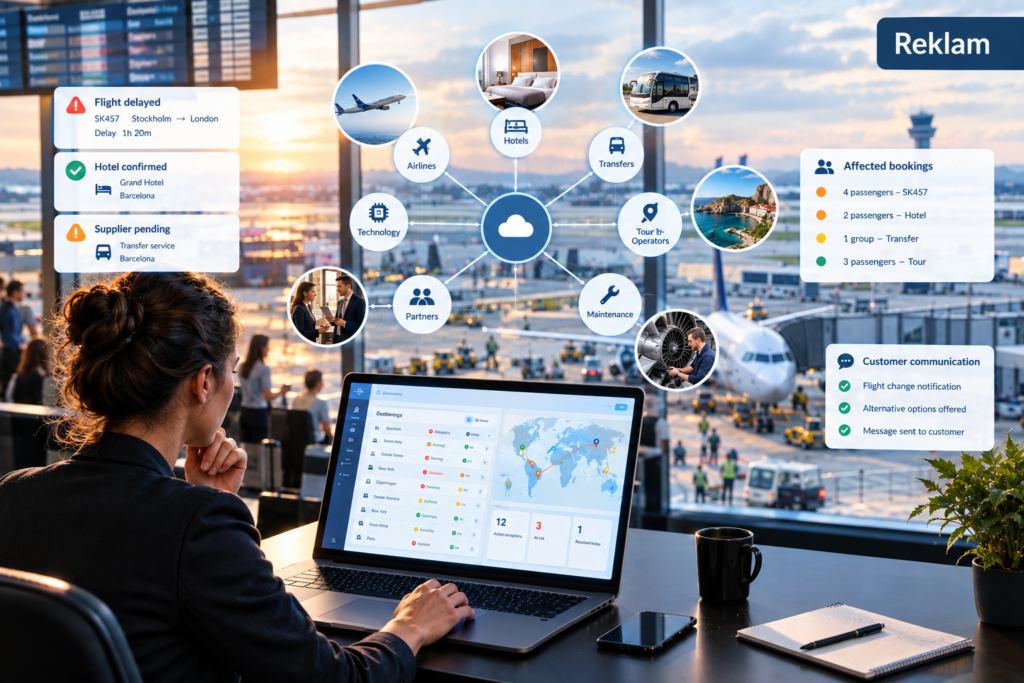
Travel depends on a large network of connected operations. Airlines, hotels, transfer providers, tour operators, maintenance teams, and technology partners all contribute to the customer experience. A delay or missing update in one part of that network can quickly affect several others.
A well-planned supply chain software implementation gives travel and transport teams clearer data, faster decisions, and fewer manual handoffs. The goal is not simply to digitize existing processes. It is to create a shared operational view that helps people respond before a small issue becomes a broader disruption.
Create One View of Operational Data
Travel companies often manage bookings, supplier confirmations, schedules, inventory, and customer communication in separate systems. When information moves through spreadsheets and email, teams may discover a problem only after it has already affected a passenger or guest.
A connected platform can bring relevant data into one environment. Employees do not need every detail on one screen, but they should be able to see current status, ownership, dependencies, and exceptions without switching between several tools.
Identify Disruption Earlier
Operational disruption rarely begins as a single dramatic event. It may start with a delayed arrival, unavailable room inventory, a supplier that has not confirmed a service, or a vehicle that is no longer available. Software can monitor these changes and highlight situations that require attention.
Effective alerts should be prioritized rather than simply numerous. Teams need to understand what changed, which customers or services are affected, and what action is expected next.
- Flag schedule conflicts and unconfirmed supplier services
- Show which bookings and travelers are affected by a change
- Assign clear responsibility for resolving each exception
Coordinate Partners Without More Manual Work
Travel operations often extend beyond the company itself. Local operators, accommodation providers, transport partners, and support teams may all need access to different parts of the same workflow. Sending updated files back and forth increases the risk of working from outdated information.
Role-based portals and structured integrations give partners access to the actions and data relevant to them. Confirmations, status changes, documents, and messages can remain connected to the same booking or operational record.
Support Faster Customer Communication
Customers usually judge disruption by how clearly and quickly a company responds. Even when a delay cannot be prevented, accurate updates and practical alternatives can protect trust. That requires customer-facing teams to receive the same information as operational teams.
When systems share current status, communication can be triggered by meaningful events rather than delayed by manual checks. Staff can also see what the customer has already received, reducing conflicting messages across channels.
Use Data to Improve Future Planning
Disruption data becomes valuable when companies use it to improve recurring decisions. Reports can reveal which suppliers miss confirmations, where transfers regularly run late, or which routes create the most support requests. These patterns help teams adjust contracts, schedules, staffing, and contingency plans.
The most useful metrics connect operational events to customer and business outcomes. This makes it easier to prioritize improvements that reduce both service problems and internal effort.
Conclusion
Digital supply chain software helps travel companies manage disruption by connecting data, partners, decisions, and customer communication. A successful implementation should make exceptions easier to see and resolve while preserving a clear record of what happened. This creates more resilient operations and a more dependable experience for travelers.